
Medically Reviewed by Dr. Alan Baribeau - Board Certified Ophthalmologist & Laser Eye Surgeon in San Antonio, TX.
Last reviewed August 2026.
The cornea is made up of five layers and is responsible for providing
protection against injury and infection. After your
comprehensive eye exam, Dr. Baribeau will
discuss the health of your cornea and if any treatments or surgeries are
recommended.
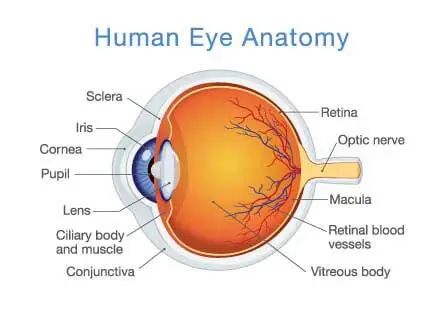
Conjunctivitis is often called “pink eye.” It happens when the conjunctiva is irritated by an infection or allergies and causes the eyes to become red and swollen and sometimes they have a sticky discharge.
You can have conjunctivitis in one or both eyes. Some types of pink eye are very contagious (easily spread from one person to person). There are three types of conjunctivitis: viral, bacterial, and allergic.
The word keratoconus is derived from two Greek words: “kerato” meaning cornea and “konos” meaning cone. Keratoconus, therefore, is a condition in which the normally round shape of the cornea is distorted and a cone-like bulge develops, resulting in significant visual impairment.
This distortion usually begins in the late teens or early twenties and goes through a period of progression that can last 5 to 15 years or longer. As the keratoconus progresses, the cornea bulges and thins, becoming irregular and sometimes forming scars.
Once the progression ceases, the patient’s corneal shape is then stable for the remainder of his or her lifetime. The end result may range from mild ectasia (bulging) with minimal patient symptoms to severe disease with significantly decreased vision.
DSEK (Descemet’s Stripping Endothelial Keratoplasty) and DMEK (Descemet’s Membrane Endothelial Keratoplasty) are surgical techniques that precisely remove the damaged layer of the cornea for patients with conditions such as Fuchs’ Corneal Dystrophy, corneal edema, and other forms of endothelial dysfunction.
Because DSEK and DMEK are not full-thickness cornea transplants, recovery time is usually quicker than with traditional corneal transplants. Visual recovery is gradual but most patients obtain their best-corrected visual acuity between 1-3 months after the procedure.
A corneal transplant, also called keratoplasty, replaces damaged or diseased corneal tissue with healthy donor tissue to restore vision, reduce pain, and improve the eye's appearance. Dr. Alan Baribeau has performed corneal transplants for patients across San Antonio and South Texas, drawing on more than 40 years of experience in ophthalmology and over 50,000 ophthalmic procedures.
Corneal transplants treat a range of conditions, including keratoconus, corneal scarring from injury or infection, corneal dystrophies, and vision loss following a failed prior transplant. Depending on which layers of the cornea are affected, the procedure may involve replacing the full thickness of the cornea or only the damaged layer, which often means a faster recovery.
Every donor cornea used in the procedure is carefully screened and tested to confirm it's healthy and safe for transplant. Most corneal transplants succeed in restoring functional vision, though as with any surgery, there's a small risk of complications such as graft rejection. Dr. Baribeau will walk you through what to expect at each stage, from the pre-operative exam through post-surgical healing, so you understand the full picture before deciding.
If you're looking for a corneal transplant surgeon in San Antonio, schedule a comprehensive eye exam with Dr. Baribeau to find out whether you're a candidate. Call (210) 806-0022 or contact us online to get started.
Call our office at ☎ (210) 806-0022 or contact us online and schedule a comprehensive annual eye exam with Dr. Baribeau today!
Baribeau Cataract and Laser
4025 East Southcross Blvd, Building 4, Suite 20
San Antonio, TX 78222
Phone:
(210) 806-0022
Get Directions
